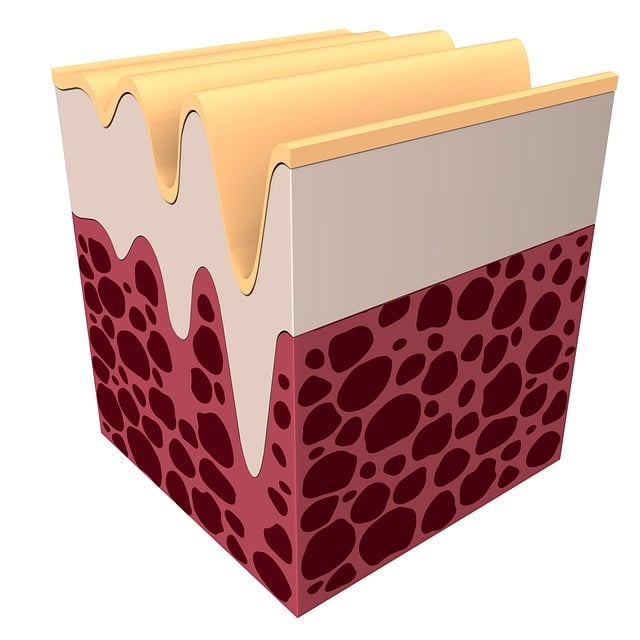
Skin tags, caused by friction or genetics, are benign but may require removal for discomfort or aesthetics. Painless options include cryotherapy and surgical excision, with professionals like Wakefield Skin Tag Clinic offering guidance. Surgical excision involves a local anesthetic, sterile cutting, and minimal scarring, suitable for those seeking permanent results. Other non-surgical methods like cryotherapy or laser treatments provide discreet alternatives with faster recovery. Each method has risks and benefits, so consulting experts for the best painless skin tag removal procedure is essential.
Looking for a permanent solution to get rid of skin tags? Surgical excision stands out as an effective and, surprisingly, painless skin tag removal procedure. This article guides you through understanding skin tags—their causes and characteristics—and delves into the benefits of surgical excision. We walk you through the step-by-step procedure, from consultation to aftercare, and discuss potential risks. Discover why this method is a safe and suitable choice for many.
- Understanding Skin Tags: Causes and Characteristics
- Surgical Excision: A Painless Removal Option
- The Procedure Step-by-Step: From Consultation to Aftercare
- Benefits of Choosing This Method for Safe Elimination
- Potential Risks and When It Might Not Be Suitable
Understanding Skin Tags: Causes and Characteristics

Skin tags, also known as acrochordons, are small, soft, benign growths that typically appear on the neck, armpits, and groin areas. They are usually painless but can cause discomfort or self-consciousness for some individuals. Understanding what causes these skin tags is essential when considering removal methods.
The most common reason for their development is friction or irritation of the skin. This can occur due to clothing rubbing against the same spot repeatedly or from close contact with another person, especially during activities like sleeping or exercise. They are often inherited, suggesting a genetic predisposition, and can also be associated with certain conditions like diabetes or obesity. Their soft, cobblestone-like texture is a characteristic feature, and they usually don’t require medical attention unless they become irritated, infected, or cause distress to the person. For those seeking a painless skin tag removal procedure, there are various options available, including freezing (cryotherapy) or surgical excision. When considering how to get rid of skin tags without pain, it’s crucial to consult a professional who can advise on the most suitable and safe method for individual cases, keeping in mind potential side effects like scarring.
Surgical Excision: A Painless Removal Option
Surgical excision is a straightforward and effective method for removing skin tags, offering a painless experience for patients. During this procedure, a surgeon carefully excises the tag using a small scalpel or surgical blade, ensuring precise removal. The area is then cleaned, and in many cases, closed with stitches to minimize scarring. This technique is highly effective and provides an immediate solution for those seeking to eliminate skin tags.
For individuals considering this option, it’s essential to consult professionals like those at Wakefield Skin Tag Clinic or Edinburgh’s leading dermatology centers. They can offer expert advice on whether surgical excision is the best course of action, addressing concerns and providing a comprehensive understanding of the procedure. This ensures that patients make informed decisions about their skin health without worrying about potential complications, especially when compared to DIY methods.
The Procedure Step-by-Step: From Consultation to Aftercare

The surgical excision procedure for removing skin tags begins with a consultation where a healthcare professional assesses the number and size of skin tags, providing tailored advice based on individual cases. If excision is deemed suitable, the patient will schedule an appointment for the treatment. On arrival, local anaesthetic is administered to ensure a painless experience throughout the procedure. Using sterile instruments, the doctor carefully cuts out each skin tag, ensuring minimal scarring. The entire process is swift, usually taking just a few minutes per tag.
Post-treatment, patients are advised on aftercare instructions, which often include keeping the treated area clean and dry, applying prescribed medications for any discomfort, and avoiding strenuous activities for a brief period. Most people experience little to no pain post-procedure, making surgical excision a popular choice for those seeking a quick and effective solution for skin tags at reputable clinics like the Colchester Skin Tag Clinic or private practices in Doncaster.
Benefits of Choosing This Method for Safe Elimination

Choosing surgical excision as a method for removing skin tags comes with several significant benefits. Firstly, it’s one of the safest and most effective options available. This procedure involves a brief, localized surgery to cut out the tag, minimizing discomfort and reducing the risk of recurrence compared to other methods. It’s particularly ideal for individuals seeking a painless skin tag removal procedure.
Additionally, surgical excision offers permanent results. Unlike some home remedies or over-the-counter treatments that may only reduce the appearance, this method physically removes the skin tag at its root. This is especially beneficial for those who have tried alternative methods without lasting success. For those in search of professional and private skin tag removal rotherham or preston, a clinic like Preston Skin Tag can provide discrete and effective solutions, ensuring patients receive top-quality care tailored to their needs.
Potential Risks and When It Might Not Be Suitable

While surgical excision is often considered effective for removing skin tags, it’s crucial to be aware of potential risks and understand when this method might not be suitable. As with any procedure, there are inherent dangers associated with surgery, including bleeding, infection, and scarring. The recovery time can also vary, leading to temporary discomfort or pain in the affected area.
Moreover, for individuals seeking a more discreet and painless skin tag removal procedure, surgical excision might not be the ideal choice. Alternatives like cryotherapy (freezing) or laser treatments offer non-surgical options that are increasingly popular, especially at clinics like Nottingham Skin Tag Clinic or private skin tag removal services in Plymouth. These non-surgical methods may appeal to those who prefer minimal invasiveness and faster recovery times, making them viable alternatives to consider for skin tag removal near me.
Surgical excision stands out as an effective and relatively painless skin tag removal procedure, offering both safety and precision. By carefully removing these benign growths, individuals can achieve clear, smooth skin without scarring or pain often associated with other methods. While it may not be suitable for all cases, especially in the presence of certain medical conditions or extensive tagging, this approach provides a reliable solution for those seeking permanent and comfortable relief from skin tags.